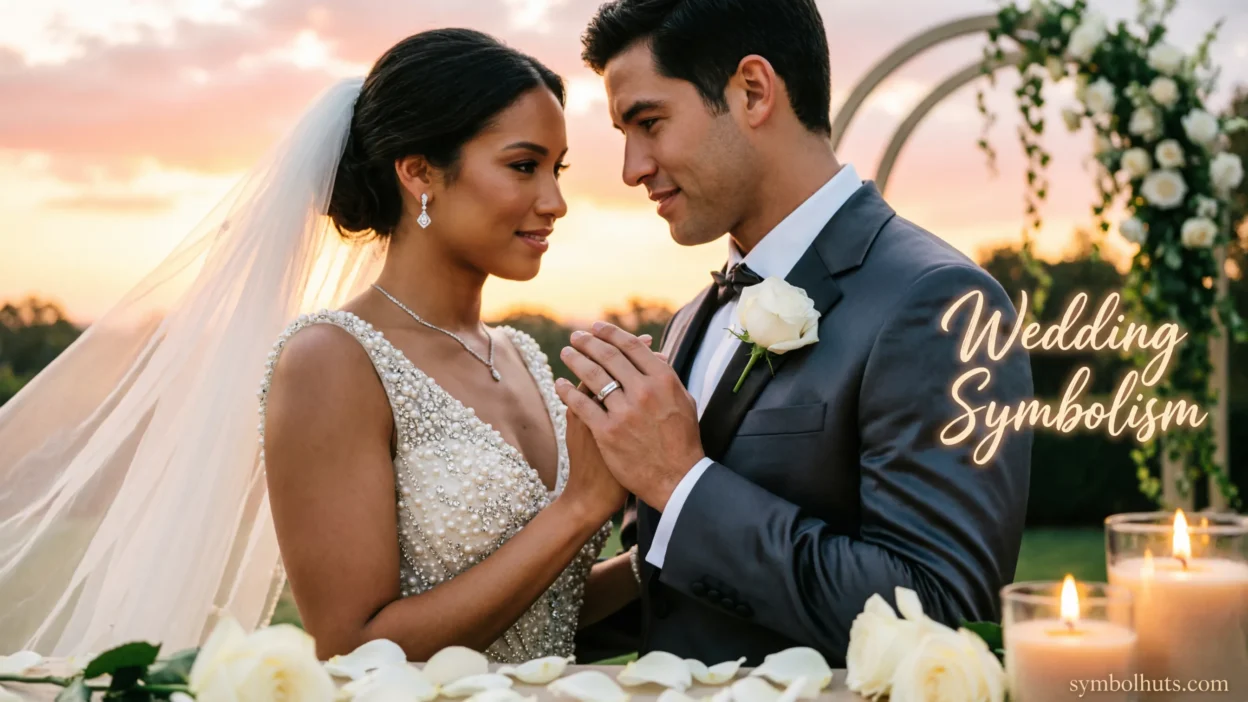
Wedding symbolism reflects love, unity, commitment, and the beginning of a shared life journey.
Across cultures and generations, weddings have carried deep emotional and spiritual meanings through rituals, clothing, rings, flowers, and sacred traditions.
From ancient ceremonies to modern celebrations, wedding symbolism continues to represent trust, devotion, family connection, and eternal partnership.
If expressed through vows, white dresses, wedding rings, or ceremonial customs, wedding symbolism reminds people that marriage is more than a legal union — it is a meaningful bond built on loyalty, hope, and love.
Wedding Symbolism Meaning (Clear Definition)
Wedding symbolism refers to the meaningful signs, rituals, objects, and traditions associated with marriage ceremonies. These symbols express emotional, spiritual, and cultural ideas connected to love and lifelong partnership.
In simple terms, wedding symbolism represents:
- Unity between two people
- Eternal love and commitment
- New beginnings
- Family and community connection
- Spiritual and emotional harmony
Many wedding traditions have symbolic meanings that date back hundreds of years and continue to influence ceremonies today.
| Wedding Symbol | Symbolic Meaning |
|---|---|
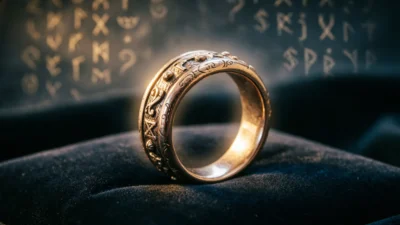
| Wedding Ring | Eternity and endless love |
| White Dress | Purity and new beginnings |
| Veil | Protection and modesty |
| Wedding Cake | Prosperity and shared happiness |
| Bouquet | Fertility, joy, and romance |
| Vows | Commitment and trust |
| Candles | Spiritual unity and hope |
What Does Wedding Symbolism Represent?
Wedding symbolism represents the emotional and spiritual foundation of marriage. Every detail in a wedding ceremony often carries a deeper message beyond appearance or tradition.
Common symbolic meanings include:
Love and Devotion
Marriage ceremonies symbolize deep emotional connection and unconditional love between partners.
Unity
Joining hands, exchanging rings, and sharing vows symbolize two lives becoming one.
Commitment
Wedding rituals represent promises of loyalty, trust, and lifelong partnership.
Growth and New Beginnings
A wedding marks the beginning of a new chapter filled with shared dreams and responsibilities.
Family and Community
Many traditions symbolize the joining of families and the support of a larger community.
Spiritual Meaning of Wedding Symbolism
Spiritually, wedding symbolism represents soul connection, divine partnership, and emotional harmony. In many spiritual traditions, marriage is viewed as more than a physical or legal bond.
Wedding ceremonies often symbolize:
- Sacred union of souls
- Balance between masculine and feminine energies
- Spiritual growth through partnership
- Shared purpose and destiny
- Emotional healing and unconditional acceptance
Symbols like candles, circles, flowers, and handfasting rituals are commonly used to reflect spiritual unity and eternal connection.
Some spiritual beliefs also see marriage as a journey that teaches patience, compassion, forgiveness, and mutual support.
Biblical / Religious Meaning of Wedding Symbolism
In Christianity, wedding symbolism often represents covenant, faithfulness, and divine love. Marriage is considered sacred and blessed by God.
Biblical wedding symbolism includes:
Wedding Rings
Rings symbolize eternal commitment because the circle has no beginning or end.
White Garments
White clothing represents purity, righteousness, and spiritual renewal.
Unity Ceremony
Many Christian ceremonies emphasize “two becoming one,” reflecting spiritual and emotional unity.
Covenant
Marriage symbolizes a sacred promise made before God, family, and community.
In other religions, wedding symbolism also carries deep significance:
- Hindu weddings symbolize duty, prosperity, and sacred partnership.
- Islamic weddings represent peace, respect, and mutual responsibility.
- Jewish weddings symbolize faith, joy, and the building of a shared home.
Despite cultural differences, most religious wedding traditions focus on love, loyalty, and spiritual connection.
Wedding Symbolism in History and Culture
Wedding symbolism has existed throughout human history in nearly every civilization. Ancient cultures created meaningful rituals to bless marriages and strengthen social bonds.
Ancient Egypt
Couples exchanged rings made from woven reeds, symbolizing eternity.
Ancient Rome
Wedding veils were believed to protect brides from negative energies and bad luck.
Medieval Europe
Wedding cakes symbolized prosperity and future abundance for the couple.
Asian Traditions
Red wedding colors in many Asian cultures symbolize luck, happiness, and prosperity.
Celtic Traditions
Handfasting ceremonies symbolized the binding of two lives together through sacred vows.
Cultural wedding symbolism continues to evolve, but the core themes of love, union, and commitment remain timeless.
Wedding Symbolism in Literature and Art
Weddings have long been powerful symbols in literature, paintings, films, and poetry. Artists often use wedding imagery to explore themes of romance, transformation, destiny, and social tradition.
In literature, weddings may symbolize:
- Hope and happy beginnings
- Emotional maturity
- Social status or family expectations
- Romantic fulfillment
- Sacrifice and responsibility
In visual art, wedding scenes often highlight beauty, celebration, and emotional connection. Flowers, rings, candles, and bridal clothing are commonly used artistic symbols representing devotion and unity.
Classic romantic stories frequently use weddings as emotional turning points that represent change and lifelong commitment.
Dream Meaning of Wedding Symbolism
Dreaming about weddings can carry many symbolic meanings depending on emotions, settings, and personal experiences.
Common wedding dream interpretations include:
New Beginnings
Wedding dreams often symbolize fresh opportunities, personal growth, or life transitions.
Commitment
They may reflect emotional dedication to a relationship, goal, or important decision.
Inner Balance
Some dreams symbolize harmony between different aspects of your personality or emotions.
Anxiety or Pressure
Stressful wedding dreams may represent fears about responsibility, expectations, or major life changes.
Spiritual Connection
In some interpretations, wedding dreams symbolize soul alignment or emotional healing.
The emotional tone of the dream usually provides the strongest clue to its meaning.
Modern Meaning of Wedding Symbolism
Today, wedding symbolism continues to adapt to modern values while preserving traditional meanings. Many couples personalize ceremonies to reflect individuality, equality, and emotional authenticity.
Modern wedding symbolism often emphasizes:
- Partnership and mutual respect
- Emotional support and trust
- Personal freedom within commitment
- Inclusivity and cultural blending
- Shared life goals and experiences
Contemporary weddings may combine traditional rituals with creative personal touches, making symbolism more meaningful and unique to each couple.
Even in modern society, weddings remain powerful symbols of love, hope, and connection.
Common Wedding Symbols and Their Meanings
Wedding Rings
Represent eternal love, loyalty, and lifelong commitment.
Flowers
Symbolize beauty, romance, fertility, and emotional growth.
Candles
Reflect spiritual light, hope, and unity.
Veils
Traditionally symbolize modesty, mystery, and protection.
Knots and Handfasting
Represent the binding together of two lives and destinies.
Doves
Symbolize peace, harmony, and faithful love.
FAQs:
Why are wedding rings important symbols?
Wedding rings symbolize eternity and lifelong commitment because their circular shape has no end.
What does a white wedding dress symbolize?
A white wedding dress traditionally represents purity, innocence, and new beginnings in married life.
What do wedding flowers symbolize?
Wedding flowers often symbolize romance, happiness, fertility, beauty, and emotional connection.
Are wedding symbols different across cultures?
Yes, different cultures use unique wedding traditions and symbols, but most share themes of love, unity, and commitment.
What does dreaming about a wedding mean?
Wedding dreams usually symbolize change, commitment, emotional growth, or important life transitions.
Conclusion
Wedding symbolism carries deep emotional, spiritual, and cultural meaning that has endured for centuries.
From rings and vows to flowers and sacred rituals, these symbols represent love, unity, trust, and the promise of a shared future.
No matter the culture or tradition, wedding symbolism continues to remind people of the beauty and strength found in meaningful human connection.
Christian Jeremy is a creative content writer and digital strategist at SymbolHuts.com. She specializes in exploring symbols, meanings, and visual communication, providing insightful and engaging content. With a passion for design and language, Christian helps readers understand symbolism, improve visual literacy, and connect with ideas in a clear and inspiring way.