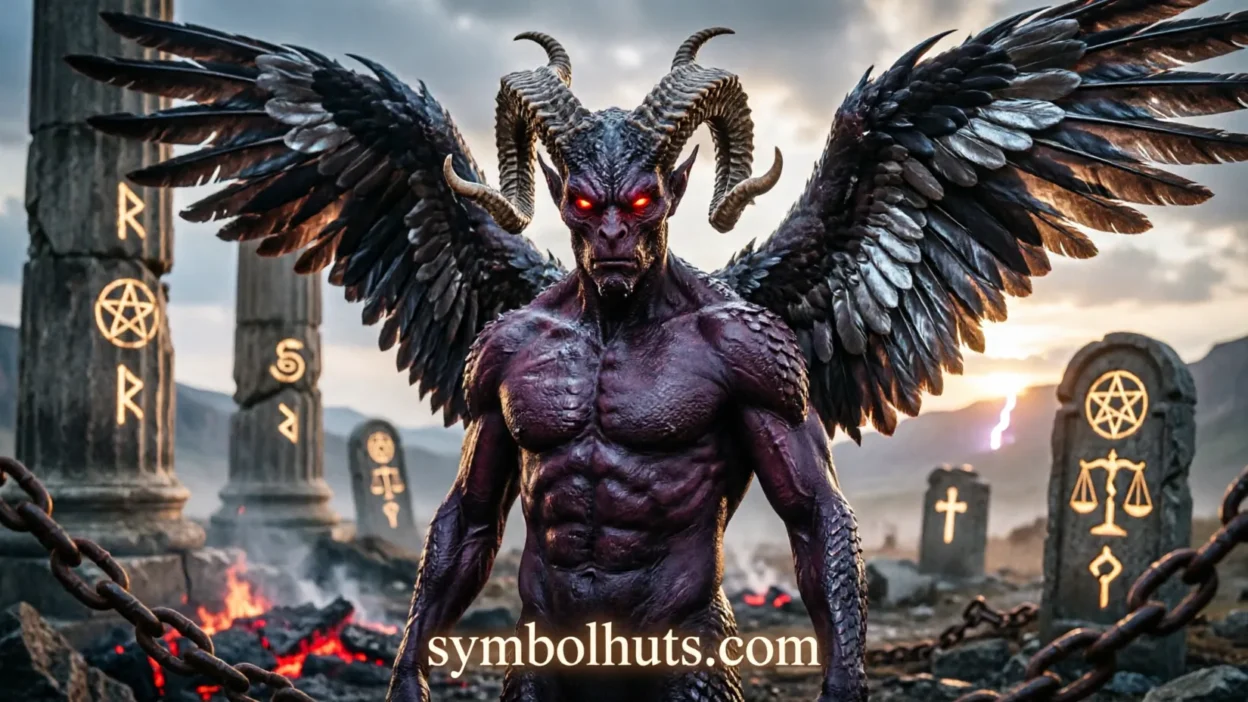
Demon symbolism has fascinated people for centuries.
Across religions, myths, literature, and modern media, demons often represent the darker aspects of existence, including temptation, fear, chaos, and inner conflict.
However, demon symbolism is not always purely negative. In some traditions, it also serves as a reminder of personal growth, self-awareness, and the struggle between good and evil.
Understanding demon symbolism can reveal deeper insights into human nature, spiritual beliefs, and cultural storytelling.
Demon Symbolism Meaning (Clear Definition)
Demon symbolism refers to the symbolic meaning associated with demons in mythology, religion, folklore, dreams, and art.
At its core, demon symbolism commonly represents:
- Temptation and moral challenges
- Fear and uncertainty
- Inner darkness
- Destructive habits
- Spiritual opposition
- Hidden desires
- Personal transformation through struggle
Demons are often portrayed as forces that test human character and encourage reflection on choices and consequences.
Quick Symbolism Summary
| Symbolic Meaning | Interpretation |
|---|---|
| Temptation | Being drawn toward harmful choices |
| Fear | Anxiety, insecurity, or unknown dangers |
| Inner Conflict | Struggle between opposing desires |
| Chaos | Disorder and loss of control |
| Spiritual Challenge | Tests of faith and character |
| Shadow Self | Hidden emotions and instincts |
| Transformation | Growth through overcoming difficulties |
What Does Demon Symbolism Represent?
Demon symbolism represents the challenges people face both internally and externally.
In many symbolic interpretations, demons are not simply evil creatures. They often embody the fears, weaknesses, and negative influences that individuals must confront. The symbolic demon can represent anger, greed, jealousy, addiction, or destructive behavior.
At the same time, demon symbolism highlights resilience. By facing symbolic demons, people learn valuable lessons about self-control, courage, and personal growth.
Common representations include:
- Negative thoughts
- Moral struggles
- Emotional turmoil
- Hidden fears
- Corrupting influences
- Unresolved trauma
- Human imperfections
Spiritual Meaning of Demon Symbolism
Spiritually, demon symbolism often reflects obstacles on the path to enlightenment and self-discovery.
Many spiritual traditions view demons as symbols of lower energies that distract individuals from their higher purpose. These forces may represent temptation, ego, attachment, or spiritual ignorance.
The spiritual meaning of demon symbolism can include:
- Confronting personal weaknesses
- Overcoming negative energy
- Learning self-discipline
- Strengthening faith
- Achieving inner balance
- Awakening spiritual awareness
Rather than focusing solely on fear, spiritual interpretations often emphasize growth through adversity.
Biblical / Religious Meaning of Demon Symbolism
In biblical and religious contexts, demon symbolism is frequently associated with evil, temptation, and opposition to divine will.
Within Christianity, demons are often portrayed as fallen spiritual beings that seek to lead people away from righteousness. They symbolize spiritual warfare, temptation, and the ongoing battle between good and evil.
Religious symbolism connected to demons includes:
- Sin and temptation
- Spiritual deception
- Rebellion against divine authority
- Tests of faith
- The need for spiritual protection
Other religious traditions may interpret demonic beings differently, viewing them as disruptive spirits, cosmic forces, or symbolic representations of human flaws.
Demon Symbolism in History and Culture
Throughout history, demon symbolism has appeared in countless cultures around the world.
Ancient civilizations often used demonic figures to explain natural disasters, illness, misfortune, or unexplained events. Over time, these symbols evolved into complex mythological characters with unique meanings.
Cultural interpretations vary widely:
- Ancient Mesopotamia connected demons with disease and misfortune.
- Greek mythology featured supernatural beings associated with fate and influence.
- East Asian traditions sometimes portrayed demons as both dangerous and protective.
- Medieval Europe often linked demons with moral warnings and religious teachings.
These cultural differences demonstrate how demon symbolism reflects society’s fears, values, and beliefs.
Demon Symbolism in Literature and Art
In literature and art, demons often symbolize internal struggles rather than literal supernatural entities.
Writers and artists use demonic imagery to explore themes such as:
- Ambition
- Corruption
- Guilt
- Temptation
- Power
- Revenge
- Psychological conflict
A demon character may represent a person’s darkest impulses or hidden desires. In visual art, demonic figures often emphasize the tension between light and darkness, virtue and vice.
Because of this symbolic depth, demons remain powerful artistic tools for expressing complex human emotions.
Dream Meaning of Demon Symbolism
Dreams involving demons can be unsettling, but they are often symbolic rather than literal.
A demon appearing in a dream may represent unresolved fears, stress, emotional struggles, or situations causing anxiety. The dream encourages the dreamer to examine areas of life that require attention and healing.
Possible dream interpretations include:
- Facing hidden fears
- Overcoming emotional burdens
- Recognizing toxic influences
- Addressing guilt or regret
- Confronting personal challenges
The overall meaning depends on the dream’s details and the emotions experienced during it.
Modern Meaning of Demon Symbolism
In modern culture, demon symbolism has expanded beyond traditional religious interpretations.
Today, demons are often used as metaphors for personal battles and psychological struggles. Expressions such as “fighting your demons” refer to confronting fears, addictions, trauma, or destructive habits.
Modern symbolism commonly includes:
- Mental and emotional challenges
- Personal accountability
- Self-improvement
- Recovery from hardship
- Inner resilience
- Breaking negative cycles
This contemporary perspective focuses less on supernatural fear and more on personal growth and self-awareness.
FAQs:
What is the main meaning of demon symbolism?
Demon symbolism primarily represents temptation, fear, inner conflict, and challenges that must be overcome for personal growth.
Is demon symbolism always negative?
No. While often associated with darkness and struggle, demon symbolism can also represent self-discovery, resilience, and transformation.
What do demons symbolize spiritually?
Spiritually, demons often symbolize lower energies, negative influences, or obstacles that challenge spiritual development.
What does dreaming about a demon mean?
A demon dream commonly reflects fears, emotional stress, unresolved issues, or personal struggles that need attention.
Why are demons important in literature and art?
Demons provide a powerful symbol for exploring human emotions, moral dilemmas, ambition, temptation, and psychological conflict.
Conclusion
Demon symbolism serves as a powerful reminder of the challenges, fears, and inner struggles that shape human experience.
If viewed through spiritual, religious, cultural, or psychological lenses, demons symbolize obstacles that encourage growth, self-awareness, and transformation.
By understanding these symbolic meanings, we gain deeper insight into both our fears and our potential for overcoming them.

Christian Jeremy is a creative content writer and digital strategist at SymbolHuts.com. She specializes in exploring symbols, meanings, and visual communication, providing insightful and engaging content. With a passion for design and language, Christian helps readers understand symbolism, improve visual literacy, and connect with ideas in a clear and inspiring way.