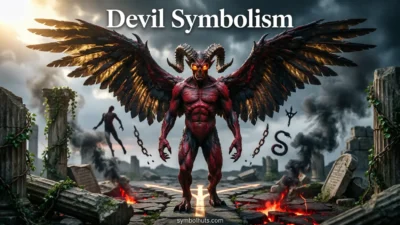

Angel symbolism has fascinated people for centuries, representing divine guidance, protection, hope, and spiritual connection.
Across religions, cultures, and artistic traditions, angels are viewed as messengers between the earthly and spiritual realms.
Understanding angel symbolism can provide deeper insight into personal growth, faith, and life’s meaningful experiences.
Angel Symbolism Meaning (Clear Definition)
Angel symbolism refers to the spiritual and symbolic meanings associated with angels. These celestial beings are commonly seen as protectors, guides, and messengers who bring comfort, wisdom, and reassurance.
In symbolic interpretations, angels often represent purity, divine intervention, compassion, enlightenment, and the presence of higher powers. Their appearance in stories, dreams, or artwork frequently suggests support during important life moments.
What Does Angel Symbolism Represent?
Angel symbolism represents a variety of positive and uplifting concepts, including:
- Divine protection
- Spiritual guidance
- Hope and faith
- Inner peace
- Purity and innocence
- Love and compassion
- Connection to higher wisdom
Common Symbolic Meanings of Angels
| Symbolic Meaning | Interpretation |
|---|---|
| Protection | Safety from harm and negative influences |
| Guidance | Direction during uncertain times |
| Hope | Encouragement during challenges |
| Purity | Moral goodness and innocence |
| Faith | Trust in divine plans |
| Love | Unconditional care and compassion |
| Spiritual Growth | Personal transformation and enlightenment |
Spiritual Meaning of Angel Symbolism
Spiritually, angel symbolism is often connected to divine communication and personal awakening. Many people believe angels appear as signs that they are being watched over and guided toward their true purpose.
Angels symbolize the presence of spiritual support even when challenges seem overwhelming. Their symbolism encourages trust, positivity, and belief in unseen forces working for one’s highest good.
In many spiritual traditions, angels also represent transformation, reminding individuals to release fear and embrace growth.
Biblical / Religious Meaning of Angel Symbolism
In the Bible, angels are portrayed as messengers and servants of God. They deliver important messages, provide protection, and carry out divine commands.
Notable biblical examples include angels announcing significant events, guiding believers, and offering comfort during difficult situations. Because of this, angel symbolism is strongly associated with obedience, faith, divine protection, and heavenly guidance.
Beyond Christianity, angels or angel-like beings appear in Judaism, Islam, and other religious traditions, often serving as intermediaries between humanity and the divine.
Angel Symbolism in History and Culture
Throughout history, angel symbolism has played an important role in cultural beliefs and traditions.
Ancient civilizations often viewed winged celestial figures as divine messengers. During the Middle Ages, angels became prominent symbols in religious teachings, architecture, and sacred art.
Different cultures interpret angels in unique ways, but common themes remain consistent:
- Protection from danger
- Guidance from higher powers
- Spiritual wisdom
- Connection between heaven and earth
These enduring meanings have helped angel symbolism remain relevant across generations.
Angel Symbolism in Literature and Art
In literature and art, angels are powerful symbolic figures representing both divine goodness and human aspiration.
Writers often use angels to symbolize:
- Moral guidance
- Redemption
- Hope during adversity
- Divine intervention
- Innocence and virtue
Artists frequently depict angels with wings, radiant light, and peaceful expressions to communicate purity, transcendence, and spiritual beauty.
Whether appearing in classical paintings or modern storytelling, angels continue to inspire audiences with messages of hope and transformation.
Dream Meaning of Angel Symbolism
Dreaming about angels is often interpreted as a positive sign.
Common angel dream meanings include:
- Receiving guidance from your subconscious
- Seeking comfort during difficult times
- Spiritual awakening
- Protection from unseen challenges
- Encouragement to trust your path
The emotions experienced during the dream can provide additional clues about its personal significance.
Modern Meaning of Angel Symbolism
Today, angel symbolism extends beyond religious contexts. Many people view angels as symbols of encouragement, positivity, and emotional support.
Modern interpretations often associate angels with:
- Personal growth
- Healing and recovery
- Emotional resilience
- Kindness and compassion
- Remembrance of loved ones
Angel imagery frequently appears in jewelry, tattoos, home décor, and motivational artwork because of its uplifting and comforting associations.
FAQs:
What is the main meaning of angel symbolism?
Angel symbolism primarily represents divine guidance, protection, hope, and spiritual support during life’s journey.
Are angels symbols of protection?
Yes. Across many cultures and religions, angels are widely regarded as protectors who provide comfort and safety.
What does seeing angel imagery symbolize?
Seeing angel imagery often symbolizes reassurance, encouragement, faith, and a connection to spiritual guidance.
What does an angel represent spiritually?
Spiritually, an angel represents divine presence, wisdom, transformation, and communication from higher realms.
Is angel symbolism always religious?
No. While rooted in religious traditions, angel symbolism is also commonly used to represent hope, kindness, healing, and personal growth.
Conclusion
Angel symbolism continues to inspire people through its powerful messages of protection, guidance, hope, and spiritual connection.
If viewed through a religious, cultural, or personal lens, angels remind us that support, wisdom, and compassion are never far away.

Walter Terry is a skilled content creator and symbol researcher at SymbolHuts.com. He specializes in explaining symbols, their meanings, and visual communication in a clear, engaging way. Walter’s insightful content helps readers interpret visuals, understand symbolism, and connect ideas effectively across digital, educational, and creative contexts.