Sacred symbolism has fascinated humanity for centuries.
Across religions, spiritual traditions, art, and literature, sacred symbols have been used to express divine truths, spiritual wisdom, and deeper meanings that words alone cannot capture.
From ancient temples to modern spiritual practices, sacred symbolism continues to inspire people seeking connection, purpose, and understanding.
If represented through geometric patterns, religious icons, or natural elements, sacred symbolism helps bridge the gap between the physical and spiritual worlds.
Sacred Symbolism Meaning (Clear Definition)
Sacred symbolism refers to symbols, images, objects, or patterns that carry spiritual, religious, or divine significance.
These symbols are often considered sacred because they represent higher truths, spiritual principles, or connections to the divine.
In simple terms, sacred symbolism is the use of meaningful symbols to communicate spiritual ideas, beliefs, and experiences that go beyond ordinary understanding.
Quick Definition
Sacred symbolism is the use of symbols that represent spiritual truths, divine power, religious beliefs, or sacred knowledge.
Common Meanings of Sacred Symbolism
| Symbolic Meaning | Interpretation |
|---|---|
| Divine Connection | Link between humans and the sacred |
| Spiritual Wisdom | Higher knowledge and enlightenment |
| Protection | Guidance and spiritual safety |
| Unity | Connection of all life and existence |
| Transformation | Personal and spiritual growth |
| Faith | Trust in spiritual principles |
| Sacred Knowledge | Hidden truths and understanding |
What Does Sacred Symbolism Represent?
Sacred symbolism represents ideas and concepts that are often difficult to express directly. These symbols serve as visual reminders of spiritual teachings and universal truths.
Some of the most common representations include:
- Divine presence and spiritual guidance
- Faith and devotion
- Inner wisdom and enlightenment
- Harmony between humanity and nature
- Eternal life and immortality
- Personal transformation and renewal
- Unity between the physical and spiritual worlds
Because sacred symbols often transcend language and culture, they can communicate powerful messages to people from many different backgrounds.
Spiritual Meaning of Sacred Symbolism
The spiritual meaning of sacred symbolism centers on awakening, connection, and higher consciousness.
Many spiritual traditions believe sacred symbols act as gateways to deeper understanding and self-discovery.
Sacred symbolism often encourages individuals to look beyond everyday experiences and explore the spiritual dimensions of life.
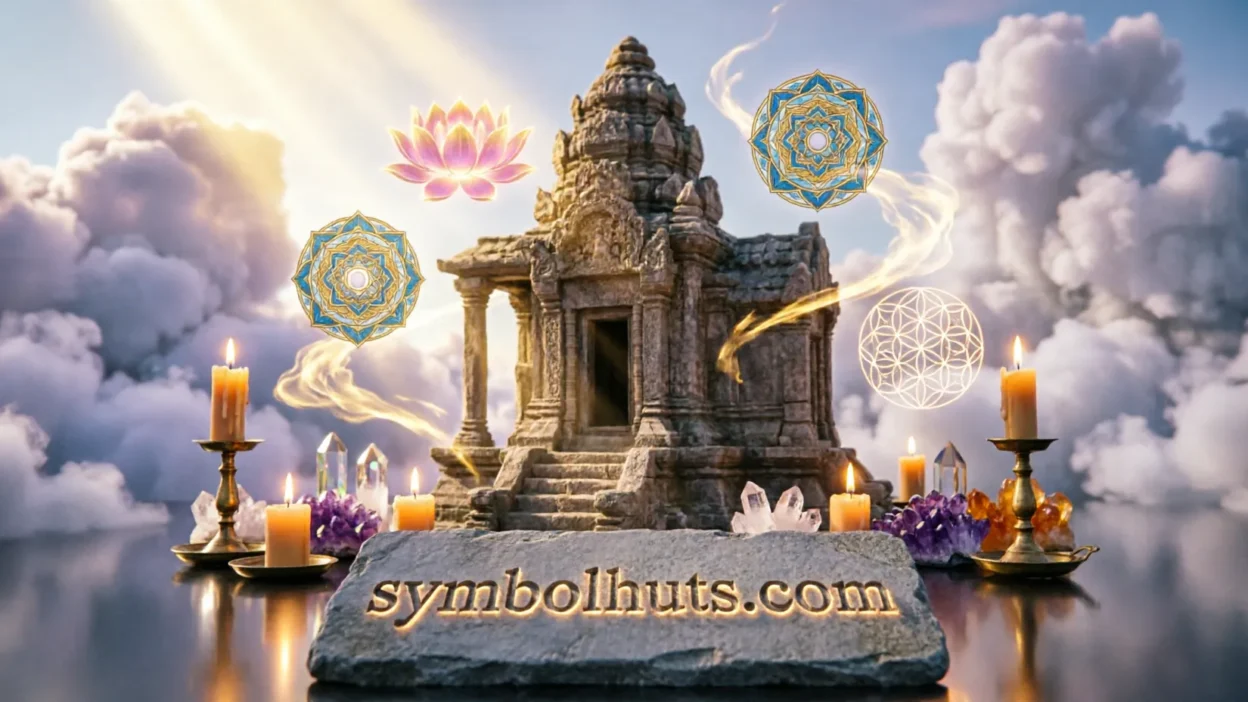
Symbols such as circles, mandalas, sacred geometry, and light imagery frequently represent wholeness, enlightenment, and divine energy.
Spiritually, sacred symbolism may signify:
- Soul growth and evolution
- Connection with divine energy
- Inner peace and balance
- Spiritual protection
- Personal awakening
- Universal wisdom
For many people, sacred symbols serve as reminders of their spiritual journey and their connection to something greater than themselves.
Biblical / Religious Meaning of Sacred Symbolism
In religious traditions, sacred symbolism plays an important role in conveying spiritual teachings and divine messages.
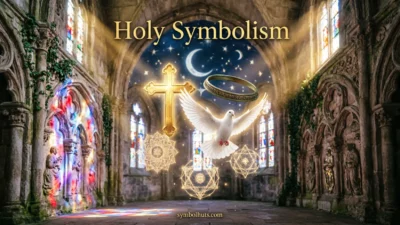
Within Christianity, symbols such as the cross, dove, lamb, and light carry profound religious meanings. They represent faith, sacrifice, peace, purity, and God’s presence.
Other world religions also use sacred symbolism extensively:
- The lotus symbolizes purity and enlightenment in Eastern traditions.
- The Star of David represents faith and identity in Judaism.
- The crescent moon carries spiritual significance in Islam.
- Sacred geometric patterns symbolize cosmic order in many cultures.
Religious sacred symbolism helps believers understand complex spiritual concepts while strengthening faith and devotion.
Sacred Symbolism in History and Culture
Throughout history, sacred symbolism has been woven into the foundations of civilizations around the world.
Ancient cultures often used sacred symbols in architecture, ceremonies, artwork, and daily life.
Egyptian civilizations incorporated sacred symbols into temples and monuments to honor divine forces.
Indigenous cultures used symbolic imagery to express spiritual relationships with nature and ancestors. Ancient philosophers viewed sacred symbols as keys to understanding the universe.
Across cultures, sacred symbolism has served several purposes:
- Preserving spiritual knowledge
- Teaching religious beliefs
- Strengthening community identity
- Honoring divine powers
- Marking important life events
The enduring presence of sacred symbolism highlights humanity’s universal search for meaning and connection.
Sacred Symbolism in Literature and Art
In literature and art, sacred symbolism adds depth, emotion, and spiritual meaning to creative works.
Writers often use sacred symbols to represent moral struggles, divine guidance, redemption, or personal transformation. Artists incorporate sacred imagery to evoke wonder, faith, and contemplation.
Common examples include:
- Light representing truth and enlightenment
- Water symbolizing purification and renewal
- Trees reflecting growth and wisdom
- Circles expressing eternity and unity
- Birds symbolizing spiritual freedom
These symbolic elements enrich storytelling and visual expression while encouraging deeper interpretation.
Dream Meaning of Sacred Symbolism
Dreams featuring sacred symbolism often carry messages related to personal growth, spiritual insight, or emotional healing.
The meaning depends on the specific symbol and the dreamer’s life circumstances. However, sacred symbols in dreams are generally viewed as positive signs of awareness and transformation.
Possible dream interpretations include:
- Seeking spiritual guidance
- Discovering hidden wisdom
- Entering a period of personal growth
- Finding inner peace
- Receiving encouragement during challenges
Paying attention to emotions and details within the dream can provide valuable clues about its deeper meaning.
Modern Meaning of Sacred Symbolism
Today, sacred symbolism remains relevant in both religious and secular contexts. Many people incorporate sacred symbols into meditation practices, personal development, wellness routines, and artistic expression.
Modern interpretations often focus on:
- Mindfulness and self-awareness
- Spiritual exploration
- Personal empowerment
- Connection to nature
- Emotional healing
- Universal unity
Even in a rapidly changing world, sacred symbolism continues to provide comfort, inspiration, and a sense of deeper purpose.
FAQs:
What is sacred symbolism?
Sacred symbolism is the use of symbols that represent spiritual, religious, or divine concepts. These symbols help communicate deeper truths and spiritual ideas.
Why are sacred symbols important?
Sacred symbols help people understand complex spiritual teachings, strengthen faith, and connect with higher meanings beyond everyday life.
Can sacred symbolism have different meanings?
Yes. The meaning of sacred symbolism can vary depending on cultural, religious, historical, and personal contexts.
What are examples of sacred symbolism?
Examples include crosses, lotus flowers, mandalas, doves, sacred geometry, light imagery, and symbolic trees.
Is sacred symbolism still relevant today?
Absolutely. Sacred symbolism continues to influence spirituality, art, literature, personal growth, and cultural traditions around the world.
Conclusion
Sacred symbolism serves as a powerful bridge between the visible and invisible aspects of life.
Through spiritual symbols, humanity has expressed faith, wisdom, transformation, and divine connection for thousands of years.
If encountered in religion, dreams, art, or everyday life, sacred symbolism continues to inspire deeper understanding and meaningful reflection.